
Remove it fast & Get Paid Well, in your local area.
How to Get Rid of a Damaged Car: Selling Options Explained
|
|
In this guide, we’ll break down:
- How damaged vehicle value is calculated
- The most common selling options
- What affects your offer
- What to look for before choosing a buyer
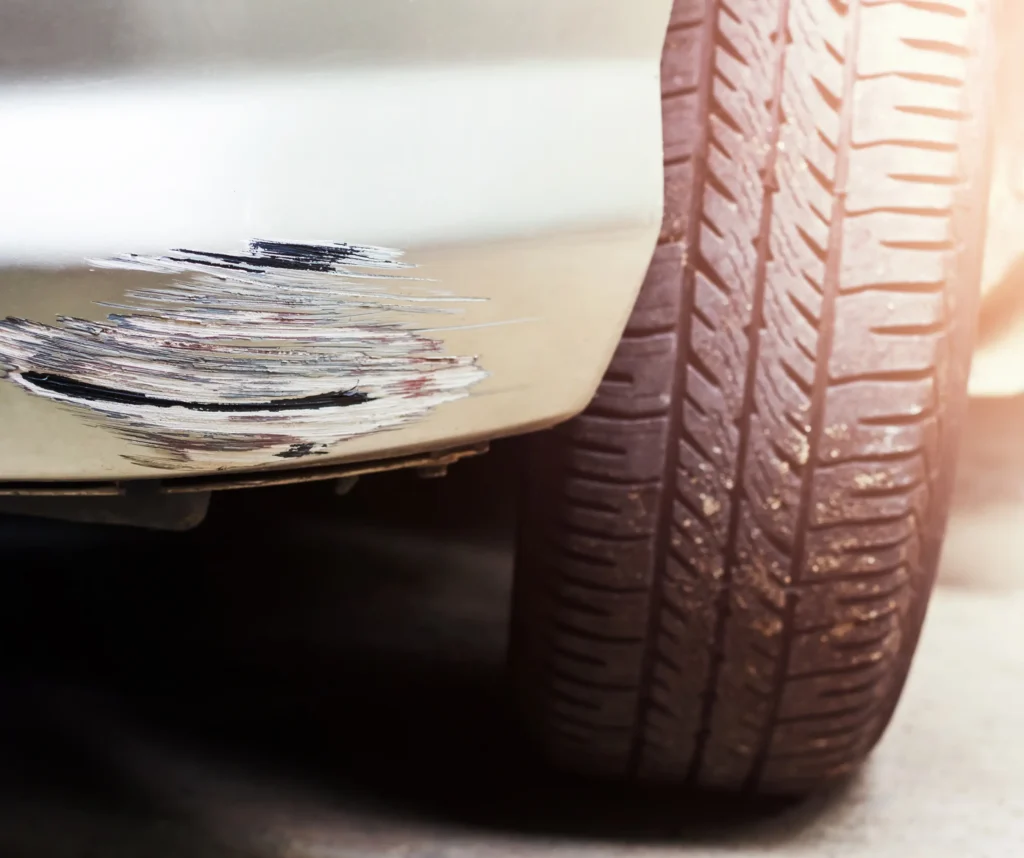
If your car has been damaged, declared a total loss, or is no longer worth repairing, it may still have value. Depending on the condition, reusable parts, make and model, and current market demand, many damaged vehicles are worth more than basic scrap pricing.
You also do not have to accept the first offer you receive. Different buyers evaluate damaged vehicles differently, which can affect both the offer and overall selling experience. Understanding your options can help you compare buyers more confidently and make a more informed decision.
How Damaged Vehicle Value Is Calculated
Not every damaged vehicle is evaluated the same way. Some buyers focus mainly on scrap value, while others consider reusable parts, resale potential, or demand for specific vehicles. This is one reason offers can vary from one buyer to another.
Several factors may affect how your vehicle is evaluated:
Vehicle Condition
Collision damage, mechanical failure, flood exposure, missing parts, and structural damage can all affect value differently.
Vehicle Details
The make, model, year, mileage, and overall demand for the vehicle may influence buyer interest.
Reusable Components
Even if a vehicle no longer runs, certain parts may still retain value depending on condition and market demand.
Scrap Value
For heavily damaged vehicles, metal weight and current scrap pricing may become a larger factor.
Title & Documentation
Title status and available paperwork can affect both the process and the types of buyers willing to purchase the vehicle.
Understanding how buyers evaluate damaged vehicles can help you better compare offers and recognize where value may still exist.
Your Options for Selling a Damaged Car
Different selling options come with different tradeoffs. Some may offer a higher potential payout but require more time, negotiation, paperwork, or transportation arrangements. Others focus more on convenience by simplifying the process and reducing the amount of work involved.
The comparison below highlights some of the most common ways people sell damaged or totaled vehicles, including how they typically compare in value, time commitment, convenience, and possible fees or risks.
| Option | Potential Value | Time Required | Fees / Risk | Convenience |
|---|---|---|---|---|
| Private Sale | Highest possible | High | Higher risk | Low |
| Online Marketplace | Medium–High | Medium–High | Can involve delays | Medium |
| Auction | Variable | Medium | Auction fees possible | Medium |
| Scrap Buyer | Lower | Low | Varies by buyer | High |
| Apex Avenue | Competitive market-based offer | Low | No hidden fees | High |
How to Get the Best Value for Your Damaged Car
A few simple steps may help improve your overall offer and reduce delays during the selling process.
✅ Provide accurate vehicle details including the make, model, mileage, title status, and type of damage.
✅ Mention valuable components or recent repairs such as newer tires, batteries, engine work, wheels, or replacement parts.
✅ Keep the vehicle as complete as possible since missing parts may reduce the offer.
✅ Gather available paperwork including the title, registration, photo ID, or lien release documents.
✅ Compare multiple selling options because buyers may evaluate vehicles differently.
✅ Consider the full process, not just the highest offer. Towing fees, delays, payment timing, and hidden deductions can affect the overall experience.
What to Look for in a Damaged Car Buyer
Not all damaged car buyers operate the same way. Looking beyond the initial offer can help you avoid unnecessary frustration later.
“Transparency and clear communication are important because they help customers feel comfortable and make a more informed decision during the selling process.”
– Kortney Applegate, Customer Operations & Titling Resolution Manager at Apex Avenue
A trustworthy buyer should clearly explain:
Vehicle Evaluation
How the vehicle is evaluated
Paperwork
What paperwork may be required
Pickup & Towing
Whether pickup or towing is included
Payment
How payment works
Fees
Whether any fees apply
It is also important to pay attention to how communication is handled from the beginning.
Buyers who frequently change pricing, avoid answering questions, or provide unclear pickup details may create a more difficult experience overall.
Reading reviews and confirming the buyer is properly licensed where applicable may also help you make a more informed decision.
What a Simple Selling Process Should Look Like
Many vehicle owners prefer working with buyers that offer clear communication, transparent pricing, and scheduled pickup from the beginning. While every selling experience may differ, Apex Avenue follows a simple three-step process designed to keep things straightforward from start to finish.
Enter Your Vehicle Details
Share basic information about your vehicle, including its condition, location, and title status.
Review Your Offer
Review an offer based on your vehicle’s condition, market factors, and available documentation.
Schedule Pickup & Get Paid
Choose a pickup time that works for you. Payment is issued when the vehicle is collected.
Whether your vehicle still runs or has major damage, understanding the process ahead of time can help you compare your options and make a more informed decision.
Before Pickup Checklist
Taking a few simple steps ahead of pickup can help make the process smoother and reduce delays with paperwork, payment, and vehicle collection.
✅ Remove Personal Belongings – Check the vehicle carefully for documents, valuables, chargers, garage openers, and anything else you may want to keep.
✅ Gather Available Paperwork – Locate the title, registration, photo ID, lien release documents, or any ownership paperwork you may need.
✅ Check Removable Accessories – Confirm whether there are wheels, aftermarket accessories, or personal items you want to remove before pickup.
✅ Make the Vehicle Accessible – If the vehicle does not run, make sure it can still be safely reached for towing or collection.
✅ Confirm Final Details – Review pickup timing, payment method, and paperwork requirements before collection is scheduled.
Frequently Asked Questions
In many cases, a title is required to sell or transfer ownership of a damaged vehicle. However, requirements can vary depending on your location, the buyer, and the ownership situation. If the title is missing, additional documentation or a replacement title process may be needed before the sale can be completed.
In many cases, yes. If an insurance company has declared the vehicle a total loss, you may still be able to sell it depending on the ownership status and whether the vehicle was retained after the claim was settled. Vehicles that have been totaled can still retain value through reusable parts, recycling, or salvage demand, even if they are no longer suitable for regular road use.
The paperwork required can vary depending on the vehicle’s title status, ownership history, and your state’s requirements. In many cases, sellers may be asked to provide the vehicle title, a valid photo ID, registration, or lien release documents if applicable. Some buyers may also request additional documentation depending on the condition of the vehicle or ownership situation.
Yes. Missing components such as wheels, catalytic converters, batteries, engines, transmissions, or other major parts can affect the overall value of the vehicle. Since many damaged vehicles are evaluated based on reusable parts, condition, and scrap value, incomplete vehicles may receive lower offers compared to similar vehicles with all major components still present.
In many cases, yes. Expired registration does not always prevent a damaged vehicle from being sold. However, proof of ownership and other supporting documentation may still be required depending on the buyer and your state’s requirements.
Ready to Explore Your Options?
Selling a damaged car does not have to be complicated. Understanding your options and working with a transparent buyer can help you make a more informed decision and avoid unnecessary surprises.
If you are ready to see what your vehicle may be worth, Apex Avenue offers a straightforward process, clear communication, and free scheduled pickup.
Explore Your Vehicle’s Value & Selling Options
Understanding what your damaged vehicle may be worth is often the first step toward making a more informed decision. Whether you are comparing salvage and scrap value, researching pricing, or exploring the best way to move forward, having the right information can help you avoid leaving value on the table.

Learn what factors influence junk car pricing, including vehicle condition, reusable parts, and market demand.

Get a clearer idea of what your vehicle may be worth based on its condition, reusable parts, and current market factors.
Continue Exploring Your Options
Selling a damaged or salvage vehicle involves more than just accepting an offer. Understanding vehicle value, paperwork requirements, pricing factors, and different selling situations can help you make a more informed decision before moving forward.
Understand Your Vehicle’s Value
Learn what factors may affect salvage and junk car pricing, including condition, reusable parts, and market demand.
Explore Selling Options
Compare different ways to sell a damaged vehicle and understand what to expect from buyers, pricing, and the overall process.
Handling a Missing Title
Understand what documentation may be required and what steps may help if your title is missing or incomplete.
Vehicle Pickup & Removal
Learn how vehicle pickup works, what to expect during collection, and how scheduling is typically handled.