Remove it fast & Get Paid Well, in your local area.
What Is Your Vehicle’s Current Scrap Value?
If you’re wondering what your vehicle might be worth, scrap value is only part of the equation. Weight, condition, metal pricing, and reusable components all influence the final estimate.
What Determines Your Vehicle’s Estimate
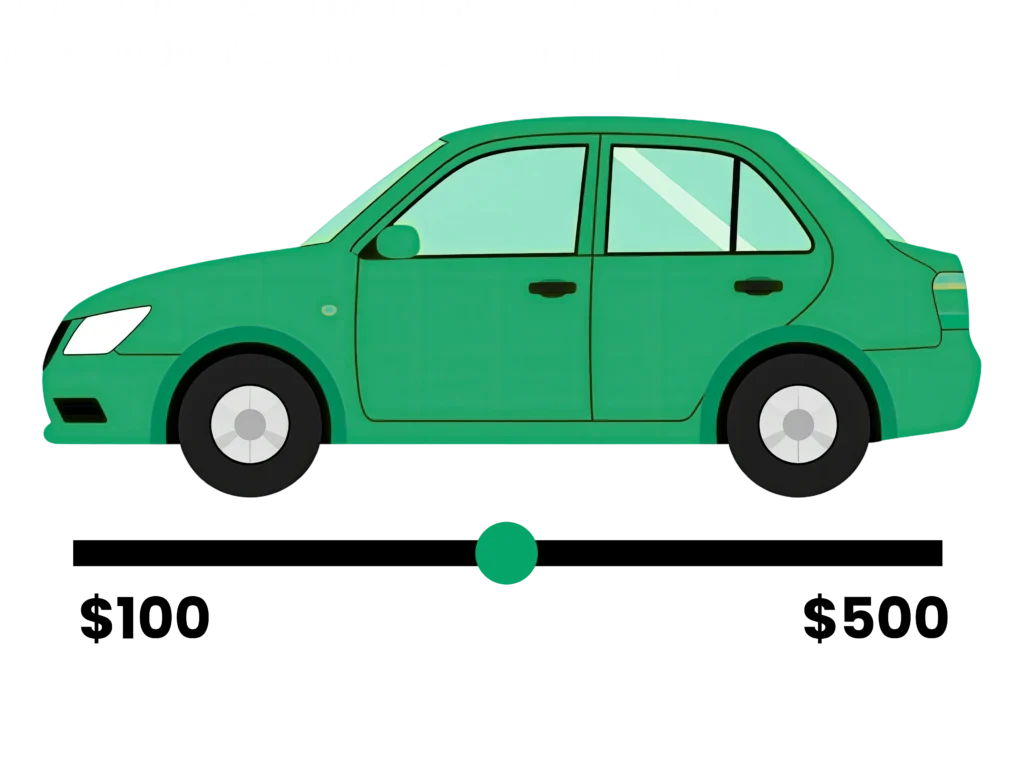
Most vehicles sold primarily for scrap metal or reusable parts typically range between $100 and $500, depending on size, condition, and current market conditions. Larger vehicles or those with high-value components, such as catalytic converters, aluminum wheels, or copper wiring, may be worth more.
Several factors influence your estimate:
✅ Vehicle Weight – Heavier vehicles often contain more metal, increasing the overall estimate.
✅ Metal & Component Pricing – Aluminum, copper, and catalytic converters can influence pricing.
✅ Current Market Conditions – Fluctuating metal rates and parts value affect real-time valuation.
How Scrap Value Is Calculated
Vehicle pricing combines recyclable materials, reusable components, and current commodity rates to estimate overall worth.
Valuations typically consider:
✅ Baseline Metal Value – The vehicle’s weight is used to estimate its recyclable steel content.
✅ Reusable Parts – Vehicles with intact, valuable components may receive higher offers.
✅ Current Market Rates – Steel and metal pricing shifts based on market conditions and demand.
✅ Vehicle Make & Model – Certain vehicles contain components that retain stronger demand.
For example, if steel is trading at $200 per ton and a vehicle weighs approximately 2,500 pounds (1.25 tons), its baseline metal value may be around $250 before accounting for reusable components.
Pro Tip: Vehicles with intact, valuable components may be worth more than weight alone would suggest.
How Metal Prices Affect Your Vehicle’s Worth
Metal prices play an important role in determining what your vehicle may be worth. Since most vehicles contain a significant amount of steel and other recyclable materials, changes in commodity prices can directly influence the amount you receive.
Steel:
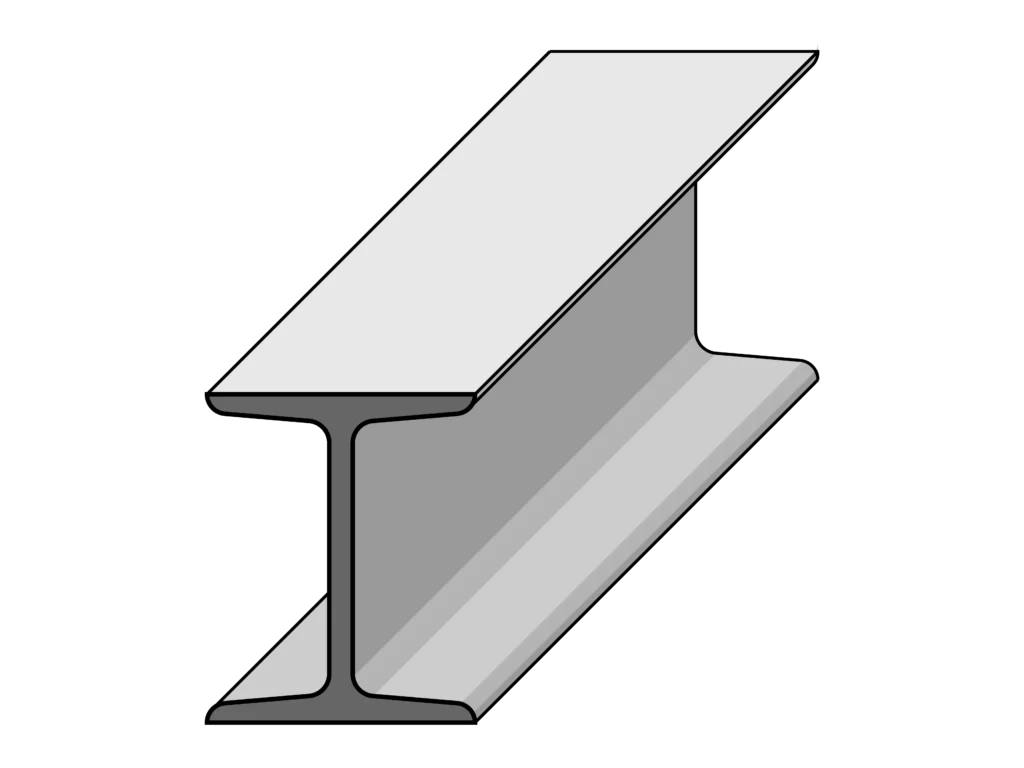
Forms most of a vehicle’s weight and contributes significantly to its value.
Aluminum:

Used in wheels and body panels, it often commands a higher price.
Copper & Other Materials:

Recovered from wiring and vehicle parts, these materials can add value.
Because commodity prices change over time, the amount your vehicle is worth may also increase or decrease.
How to Maximize Your Vehicle’s Value
If you’re looking to get the strongest possible valuation, a few simple steps can make a difference:
Keep the vehicle complete – Missing parts can reduce the value of reusable vehicle parts.
Vehicle Details – Mileage, damage, and missing parts improve your estimate accuracy.

Parts Demand – Some makes and models retain stronger demand and value.
Keep Documents Ready – Service records and title details support a smoother valuation.

Monitor market trends – Scrap prices and market conditions affect vehicle value.
Junking vs. Salvaging: What’s the Difference?
If you’re deciding how to move forward with a damaged or non-running vehicle, understanding the difference between junking and salvaging can help.
Junking
Typically involves selling a vehicle primarily for its metal and recyclable materials. Pricing is often based on weight, current market rates, and overall condition. This option is generally straightforward and fast.
Salvaging
Involves reselling usable parts before or instead of recycling the vehicle for metal. Vehicles with valuable components, such as engines, transmissions, or catalytic converters, may retain additional value beyond basic metal weight.
If your vehicle still contains reusable parts, salvaging may result in a higher offer than basic scrap pricing. Junking is typically faster, but it may not maximize your vehicle’s potential.
Can You Sell a Vehicle Without a Title?
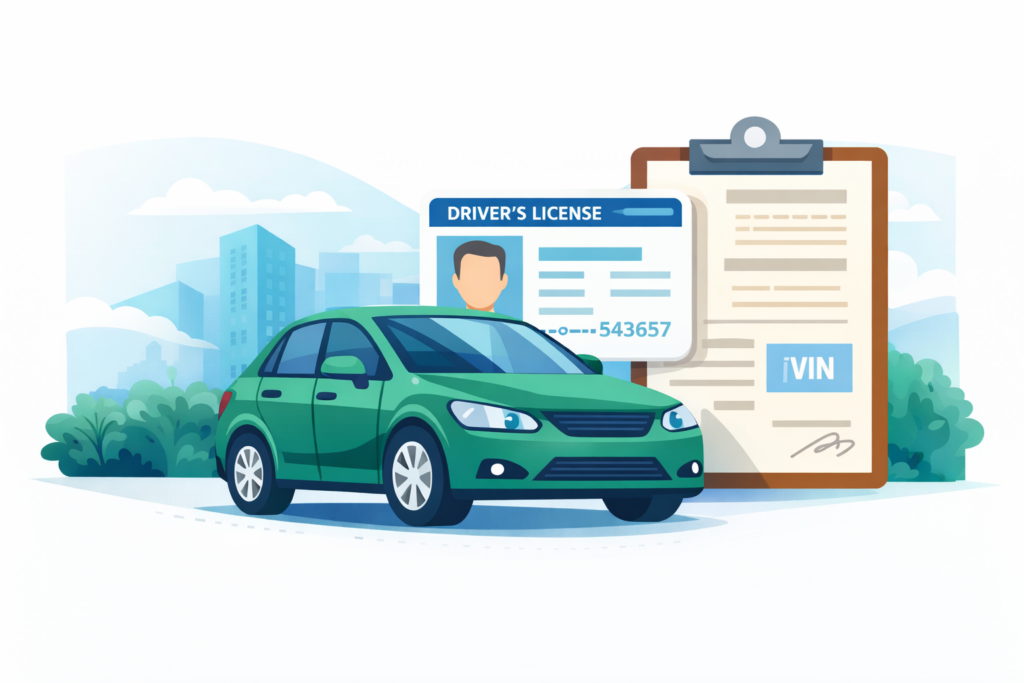
A vehicle title is typically required to complete the sale. If it’s missing, we’ll guide you through the steps to obtain one based on your state’s requirements.
In most cases, you’ll need:
✔ A valid ID to verify ownership
✔ Basic vehicle details (make, model, year, VIN)
✔ A vehicle title
Pro Tip: Having your information ready can help make the process smoother once your title requirements have been addressed.
Ready to See What Your Vehicle Is Worth?
Enter a few key details to receive a data-backed estimate based on your vehicle’s weight, condition, and current pricing.