
Remove it fast & Get Paid Well, in your local area.
When Is It Time to Junk Your Car? Here’s How to Decide
|
|
Your car has probably been with you through a lot. Maybe it was your first vehicle, a car passed down from a family member, or simply the one that’s always gotten you where you needed to go. That’s why deciding when it’s time to junk your car isn’t easy.
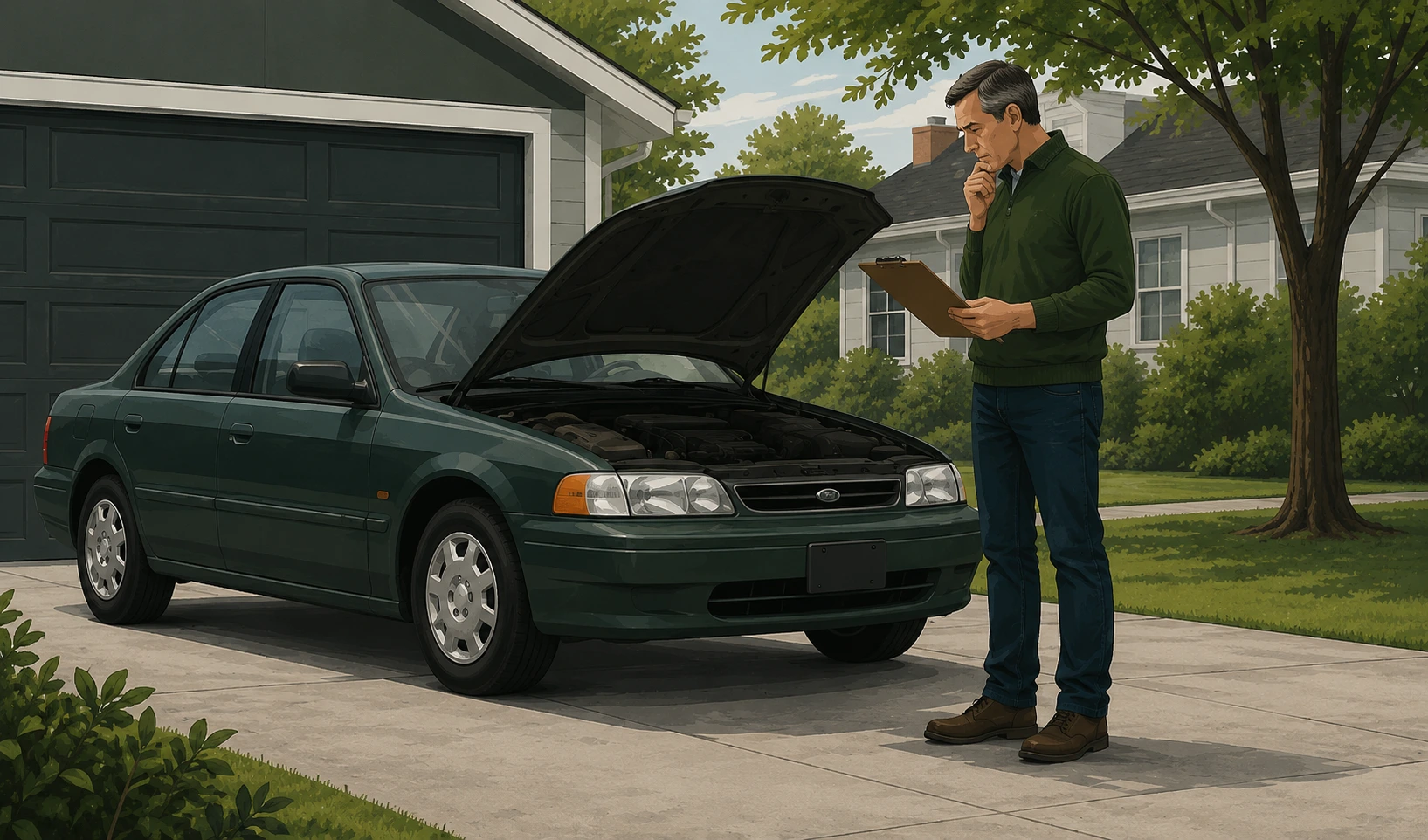
For many drivers, the question isn’t whether the car can be repaired, it’s whether it should be. If you’re facing recurring repairs or rising repair bills, this guide will help you decide what makes the most sense.
Signs Your Car May Not Be Worth Repairing
Not every repair means it’s time to junk your car. Routine maintenance is part of vehicle ownership, but if repairs are becoming more frequent, more expensive, or your car no longer feels dependable, these signs can help you decide what to do next.
Repair costs are adding up
Major repairs like an engine, transmission, or frame damage can add up quickly. Compare the repair cost with your vehicle’s value before moving forward.
Problems keep coming back
One repair isn’t unusual, but if you’re constantly fixing something new, the long-term cost of ownership may no longer make sense.
You no longer trust your car
If you avoid long trips, worry about breaking down, or no longer feel confident your car will get you there, it may be time to evaluate your options.
Safety is becoming a concern
Brake, steering, suspension, or structural problems can make your vehicle unsafe to drive. It may be time to reconsider further repairs.
Repair or Junk?
There’s no one-size-fits-all answer. While repair cost is important, it’s only one part of the decision. Your vehicle’s reliability, condition, and current value all matter. Use the table below as a general guide, not a rule, to help compare your options.
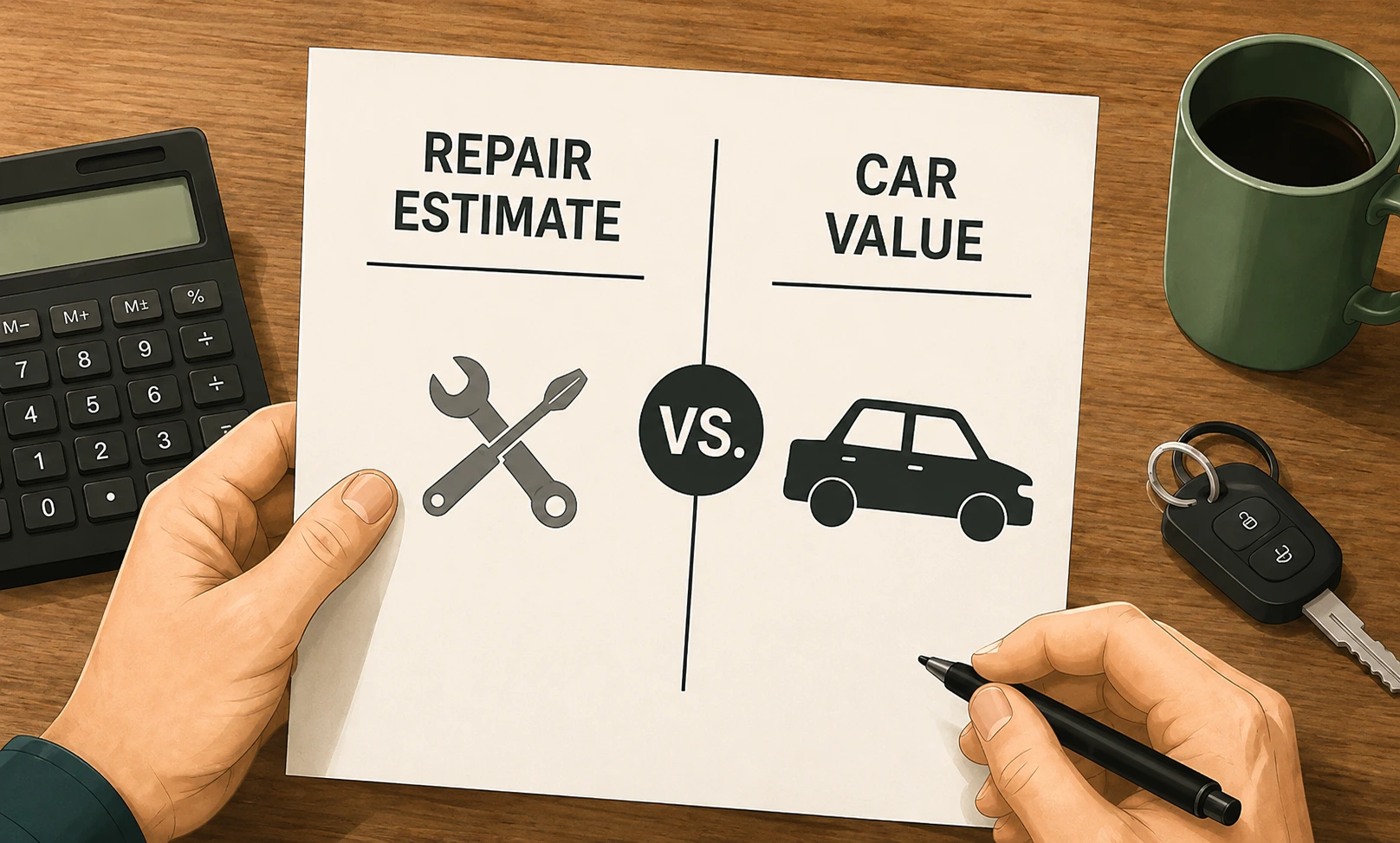
| Repair Cost | Vehicle Value | Recommendation |
|---|---|---|
| $400 | $3,000 | Usually worth repairing |
| $1,200 | $3,000 | Repairing may still make sense |
| $2,000 | $3,000 | Weigh your options carefully |
| $3,000+ | $3,000 | Consider replacing the vehicle |
According to Spenser Davis, owner of Spenser’s Automotive in Denton, Texas, “Many drivers reach a turning point when a major repair costs about as much as the vehicle itself. When the repair bill starts approaching the car’s value, it’s natural to start asking whether continuing to invest in the vehicle still makes financial sense.”
The Money Pit Test
Still unsure? Ask yourself these five questions. There isn’t a right or wrong answer, but answering “Yes” to several of them could be a sign it’s time to take a closer look at your options.
What Should You Do Next?
Before deciding what to do next, David Bennett, Director of Automotive at AAA, recommends making “a business decision, not an emotional one.” Taking an honest look at your vehicle’s condition and your financial situation can help you decide what makes the most sense.
If you’ve decided your car may no longer be worth repairing, here are the most common ways to move on from it. If selling your vehicle to a junk car buyer seems like the right option, explore how the process works before making your decision.
The right choice depends on your vehicle’s condition, value, and your priorities. If you’re considering replacing it, AAA’s Your Driving Costs calculator can help estimate long-term ownership costs, including fuel, insurance, maintenance, and depreciation, so you can make a more informed decision.
How much could your car be worth?
Even if your car isn’t worth repairing, it may still have value. Your vehicle’s make, model, age, condition, and current market demand all play a role. Use our Car Value Calculator to get a quick estimate before deciding whether to repair, sell, or junk your car.
Try Our Car Value Calculator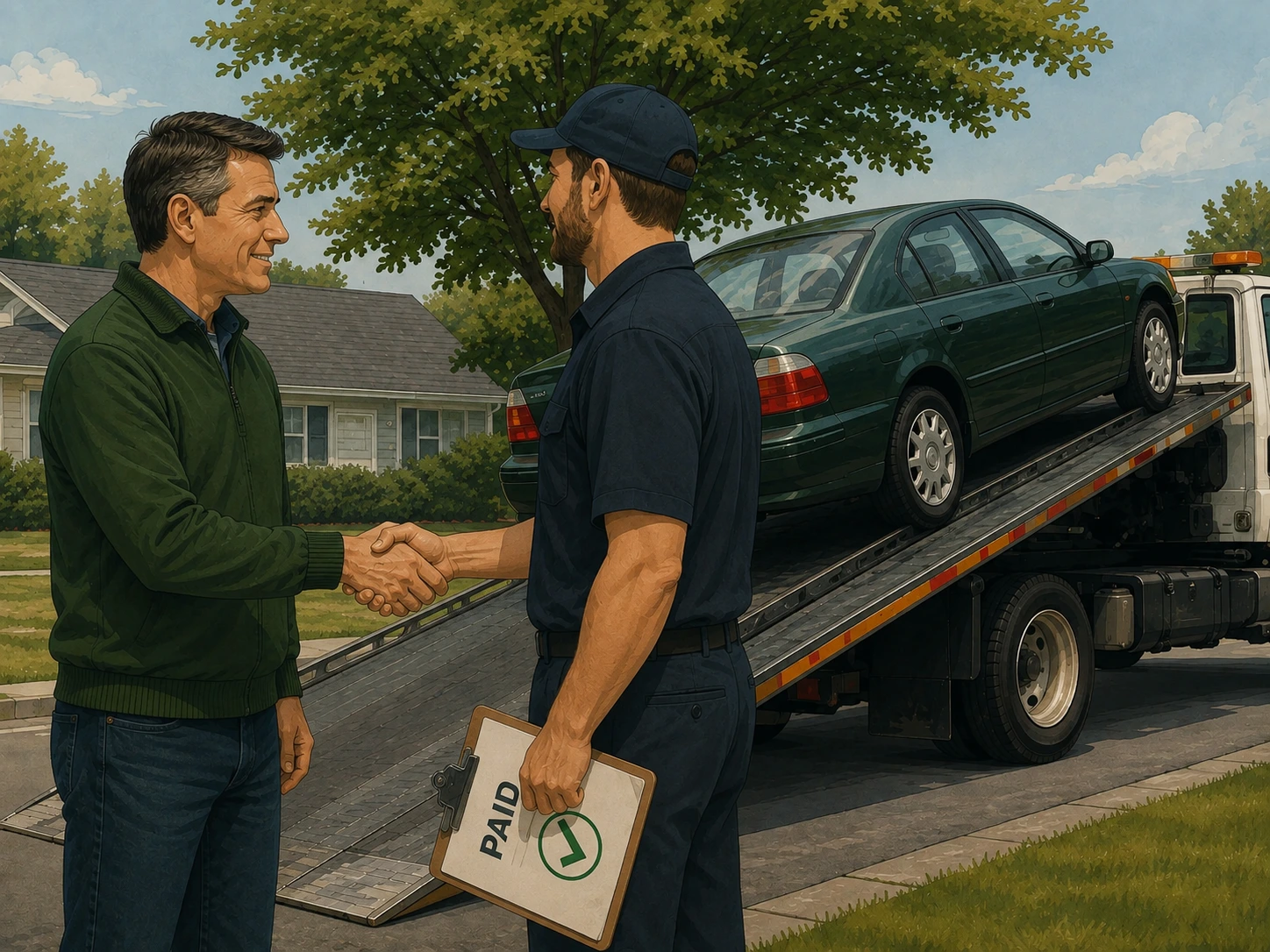
Final thoughts
Every vehicle reaches a point where it may no longer make sense to keep repairing it. Considering repair costs, your vehicle’s condition, and your long-term needs can help you choose the best path forward.
If you’ve decided it’s time to move on from your vehicle, taking a little time to understand your options can help you move forward with confidence.
Frequently Asked Questions
Yes. A car that isn’t worth repairing may still have value. Depending on its condition and demand, you may be able to sell it privately, trade it in, or sell it to a junk car buyer. Knowing what your vehicle is worth can help you decide your next step.
Not always. Expensive repairs don’t always increase your vehicle’s value enough to recover the cost. Before investing in major repairs, compare the repair estimate with your car’s current value and consider whether selling it as-is may be the better option.
Yes. Many buyers purchase vehicles that no longer run. While the amount you receive depends on the vehicle’s condition, make, model, and location, non-running cars can still have value.
You can often sell a vehicle with an outstanding loan, but the lender’s lien will need to be resolved before ownership can be transferred. The exact process depends on your lender and the amount remaining on the loan.
High mileage alone doesn’t mean a car isn’t worth repairing. The decision depends on its condition, repair costs, maintenance history, and value. Some high-mileage vehicles stay reliable, while others become too expensive to maintain.
Helpful Resources
Explore guides and tools to help you make informed decisions about your vehicle.

Learn how the junk car selling process works, from getting a quote to pickup and payment.
Explore the Junk Car Process →
Estimate your vehicle’s value before deciding to repair, sell, or replace it.
Check Your Vehicle’s Value →Planning Your Next Steps
Everything you need to navigate vehicle value, paperwork, pickup, and our service areas.
Know Your Vehicle’s Value
See what factors influence your vehicle’s current scrap value.
Areas We Serve
Find out if we buy junk and salvage vehicles in your state or city.
Handling a Missing Title
Understand your options if your vehicle title is missing or incomplete.
Vehicle Pickup & Removal
Learn what to expect on pickup day and how vehicle collection works.